



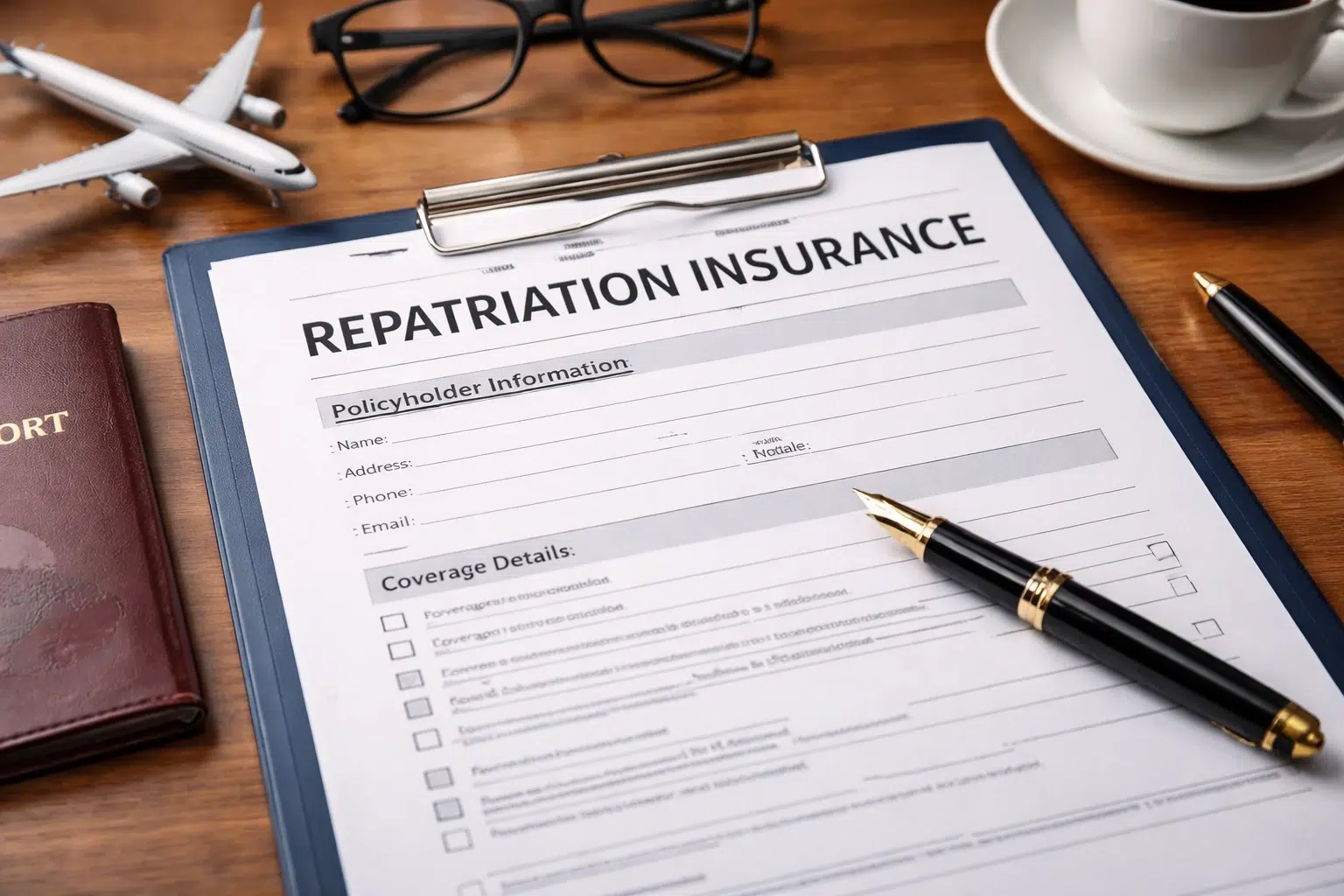
Losing a loved one abroad is one of the most painful experiences a family can endure. The logistical burden that follows such as arranging transportation of remains across international borders can feel overwhelming.
That’s exactly why repatriation insurance exists. Yet, at the very moment families need it most, claims are sometimes denied. Understanding the most common reasons for rejection can help you prepare properly and avoid a devastating additional blow during an already difficult time.
1. The Death Was Caused by a Pre-Existing Medical Condition
This is one of the most frequent reasons repatriation claims are rejected. Most insurance policies contain exclusions for deaths linked to conditions that existed before the policy was taken out, such as heart disease, cancer, diabetes, or chronic respiratory illness.
If the insurer can establish a link between a pre-existing condition and the cause of death, they may refuse to pay out. Always read the fine print around pre-existing conditions and, where possible, seek a policy that offers full cover or medical underwriting that accounts for your health history.
2. The Policy Was Not in Force at the Time of Death
It sounds obvious, but policies that have lapsed, expired, or were never properly activated are a surprisingly common cause of rejected claims.
This can happen when a policy is purchased last minute and there’s a waiting period, when an annual policy wasn’t renewed in time, or when payment failed without the policyholder’s knowledge.
Always confirm that your policy is active before travelling, and keep a copy of your certificate of insurance accessible to your next of kin.
3. The Death Occurred in an Excluded Region or Country
Many repatriation policies contain geographical exclusions; particularly for regions under government travel advisories or conflict zones.
If your loved one passed away in a country listed as a “do not travel” destination by the relevant authorities at the time the policy was taken out, the insurer may void the claim entirely.
Always cross-reference your policy’s geographical coverage with your travel destination before departure.
4. The Cause of Death Was Excluded From the Policy
Beyond pre-existing conditions, insurers often exclude specific causes of death altogether. Common exclusions include death resulting from participation in extreme sports or adventure activities, alcohol or drug-related incidents, self-inflicted injury, or criminal activity.
Some policies also exclude deaths in connection with civil unrest or military activity. Carefully reviewing these exclusions before purchasing a policy can prevent painful surprises later.
5. Failure to Notify the Insurer Promptly
Most repatriation insurance policies require that the insurer or their designated assistance company be notified as soon as practicable after a death occurs.
Families who make their own independent repatriation arrangements without first contacting the insurer often find their claim rejected on procedural grounds.
The insurer typically needs to authorise and coordinate the repatriation themselves. Acting independently, however well-intentioned, can invalidate the policy entirely.
6. Incomplete or Incorrect Documentation
Repatriation claims require a substantial amount of documentation such as death certificates, post-mortem reports, official translations, embalming certificates, and airline cargo documentation, among others.
If any of these documents are missing, incomplete, or contain errors, the claim can be delayed or rejected outright. Working with experienced professionals who understand international documentation requirements is essential to ensuring nothing falls through the cracks.
7. The Deceased Was Not Covered Under the Policy
Families sometimes assume that a travel insurance policy automatically covers all travelling companions, including children, elderly parents, or spouses. In reality, each individual may need to be named on the policy, and children or elderly relatives above a certain age threshold may not be covered under standard policies. Always verify that every person travelling is explicitly covered before departure.
8. The Policyholder Provided Inaccurate Information at Application
If the insurer discovers that the policyholder provided inaccurate or misleading information when taking out the policy whether about their medical history, age, the purpose of travel, or the destination, they may have grounds to void the policy entirely, even if the inaccuracies seem minor or unrelated to the cause of death. Honesty and accuracy when completing your application is not just advisable; it’s essential.
9. The Type of Policy Did Not Include Repatriation Cover
Not all travel insurance policies automatically include repatriation of remains as standard. Some basic or budget policies cover medical evacuation of a living person but do not extend to the repatriation of remains after death.
These are very different things, and conflating the two is a costly mistake. Always look for a policy that explicitly states it covers repatriation of mortal remains, and check whether it covers local burial or cremation abroad as an alternative, should that be required.
10. Delays in Claim Submission
Insurance policies have time limits within which a claim must be formally submitted after the event. Grieving families focused on immediate practical matters sometimes miss these deadlines, giving the insurer legitimate grounds to decline the claim.
It is worth appointing a trusted family member or advisor to manage the insurance and administrative side of things as soon as possible after a death abroad.
Be Prepared Before You Travel
Repatriation insurance can provide enormous relief at the hardest of times, but only if the right policy is in place and the right steps are followed. Reviewing your policy carefully before travelling, ensuring all family members are covered, keeping documentation accessible, and knowing who to call first in an emergency can make all the difference.
And when the worst does happen, having an experienced, compassionate specialist by your side is invaluable. Navigating repatriation with or without insurance complications is not something any family should have to face alone.
Harmony International has been helping families, friends, and communities repatriate loved ones to and from all four corners of the globe, reconnecting loved ones with their home and their people at the most difficult moments imaginable. With deep expertise in international repatriation logistics, documentation, and coordination, Harmony International takes the burden off grieving families so they can focus on what truly matters; honouring and mourning the person they’ve lost.
Read more in our Guide to International Repatriation Services.
Pages You Might Like:
UK repatriation services, Destinations We Repatriate, Into the UK, What to do when someone dies, Coffins we offer
 Call us
 Email us