



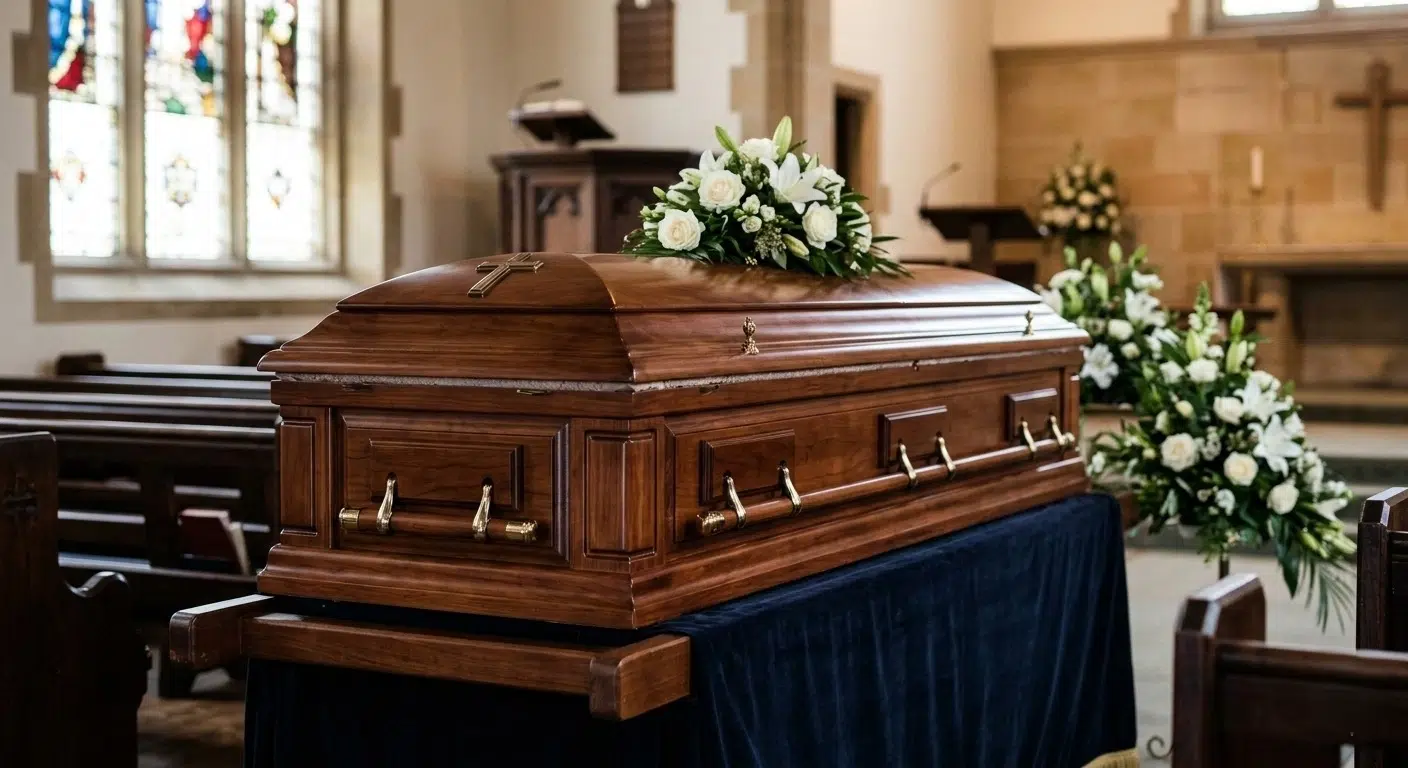
When a loved one passes away abroad, arranging to bring them home is one of the most important decisions a family must make. Among the many logistical and legal requirements involved, one question comes up consistently: what type of coffin is needed for international repatriation? The answer depends on several factors, including the destination country, the airline, the cause of death, and sometimes religious or cultural considerations. This guide breaks down everything families need to know about coffin requirements for international body repatriation.
Why Coffin Requirements Matter
International repatriation is tightly regulated by a combination of national laws, aviation guidelines, and international health standards. These rules exist to protect public health, ensure the dignity of the deceased, and meet the requirements of customs and airline cargo departments at both ends of the journey.
Sending a body abroad in an inappropriate or non-compliant coffin can result in the shipment being refused at the airport, delayed by customs, or rejected upon arrival in the destination country. Getting the coffin right from the outset is therefore essential to avoiding unnecessary delays during an already difficult time.
The Standard Requirement: A Hermetically Sealed Zinc-Lined Coffin
The most widely accepted coffin type for international repatriation is a hermetically sealed, zinc-lined coffin. This is the global standard recognised by the International Air Transport Association (IATA), which governs the air transportation of human remains worldwide.
A zinc-lined coffin consists of an inner zinc shell that is soldered completely shut to create an airtight seal, preventing any leakage during transit. This inner zinc container is then placed inside a wooden outer coffin, which provides structural protection and a dignified exterior. The combination of the two meets IATA cargo regulations and is accepted by the vast majority of airlines and destination countries.
The hermetic seal serves several critical purposes. It prevents any odour or biological material from escaping, protects airline staff and cargo handlers, and ensures compliance with international public health standards, especially when embalming has been carried out.
Embalming and the Coffin Connection
In most cases, international repatriation requires the body to be embalmed before it is placed in the coffin. Embalming preserves the body during transit, which can take anywhere from a day to several days depending on the route and any delays. Once embalmed, the body is placed in the zinc-lined inner container, which is then sealed by a qualified funeral director or embalmer.
An embalming certificate is typically required alongside the coffin documentation to confirm that the process was carried out to international standards. Some countries will not accept the remains without this certificate in place.
It is worth noting that certain religions, including Islam and Judaism, traditionally prohibit embalming. In these cases, alternative preservation methods such as refrigeration or dry ice may be permitted, but additional documentation is usually required, and the receiving country’s consulate must be consulted to confirm what is acceptable.
The Outer Coffin: Wood and Construction Standards
Alongside the inner zinc container, the outer wooden coffin must meet specific construction standards. The outer coffin is typically made from solid wood, without any non-biodegradable lining materials in some countries, particularly those with strict burial regulations. The wood must be strong enough to withstand the rigours of air cargo handling, including being placed in a hold, loaded with other freight, and transported over long distances.
The outer coffin must also be fitted with handles and must be of a size that complies with the cargo hold dimensions of the aircraft being used. Funeral directors experienced in repatriation will advise on the correct dimensions and specifications.
Country-Specific Coffin Requirements
While the hermetically sealed zinc-lined coffin is accepted almost universally, different countries have their own additional requirements. Families and funeral directors need to be aware of destination-specific rules before finalising arrangements. Some examples include:
- India and Pakistan: Many regions require that the coffin be made of a specific type of wood, and the zinc liner must meet precise specifications. Documentation from the local funeral director confirming compliance is usually required by the consulate.
- Middle Eastern countries: Islamic traditions influence coffin requirements significantly. Some countries require the body to be wrapped in a shroud rather than placed in a coffin, and consulate approval is needed to confirm the exact requirements for each destination.
- United States and Canada: American and Canadian customs authorities typically require a sealed metal casket along with a TSA-approved outer shipping container. The casket must be certified by the funeral director as compliant with federal shipping regulations.
- European countries: Most European nations accept the standard zinc-lined coffin provided documentation is in order. However, some countries have their own regulations regarding wood type, interior lining materials, and the inclusion of personal effects.
- Australia and New Zealand: These destinations have strict biosecurity laws. All coffins and their contents must comply with the Department of Agriculture’s import requirements, and specific documentation confirming the coffin materials is required.
In every case, the consulate or embassy of the destination country should be consulted, as their requirements take precedence over general guidelines.
Cremation as an Alternative
If the family opts for cremation in the country where the death occurred, the coffin requirements are significantly different. The deceased is placed in a standard cremation coffin, and once cremated, the ashes are placed in a sealed urn or an approved container for transport. Ashes can often be carried as hand luggage or shipped as cargo with far fewer restrictions than a full body repatriation. This is also a more affordable option and may be appropriate for families on a limited budget or where religious beliefs permit cremation.
What Goes Inside the Coffin
Families often wish to include personal items with their loved one during transportation, such as clothing, religious items, or small mementos. However, any items placed inside the coffin must be declared and may be subject to customs restrictions depending on the destination country. Items such as liquids, batteries, aerosols, and certain fabrics may be prohibited. A reputable repatriation company will advise families on what can and cannot be included before the coffin is sealed.
Who Arranges the Coffin?
In most cases, the funeral director handling the repatriation will supply and prepare the coffin. Families do not need to source the zinc-lined inner container or outer coffin themselves. The funeral director is responsible for ensuring that the coffin meets the requirements of the airline, the UK export authorities, and the receiving country’s import regulations. They will also obtain the relevant documentation, including the sealing certificate and embalming certificate, to accompany the shipment.
It is important to use a funeral director who is experienced in international repatriation and has established relationships with airlines and overseas funeral directors. The process is considerably smoother and faster when handled by specialists with first-hand knowledge of specific country requirements.
Need Expert Help with International Repatriation?
Harmony International specialises in the repatriation of human remains to and from destinations across the world. Their experienced team manages every detail, including sourcing the correct coffin, coordinating with airlines, embassies, and overseas funeral directors, and ensuring all documentation is in order.
With offices across the globe and a 24/7 helpline, Harmony International is ready to support your family through every step of this difficult process.
Read more in our Guide to International Repatriation Services.
Pages You Might Like:
UK repatriation services, Destinations We Repatriate, Into the UK, What to do when someone dies, Coffins we offer
 Call us
 Email us