



When a loved one passes away abroad, bringing them home for their final rites can be an emotional and logistically complex process. Repatriation requires careful attention to legal documentation, and three elements often play a pivotal role: the death certificate, apostille authentication, and translation of key documents. Understanding their purpose and the way they fit into the process can help families avoid delays and unnecessary complications.
The Role of a Death Certificate in Repatriation
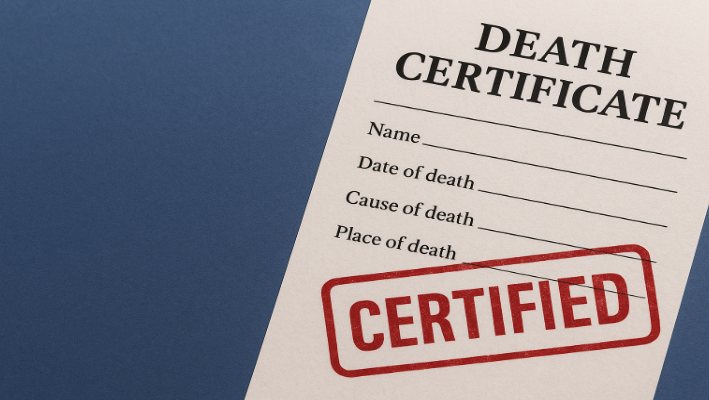
The death certificate is the foundational document in any repatriation process. It serves as official proof of death, detailing essential information such as the deceased’s name, date and place of death, cause of death, and certifying authority.
For repatriation, the death certificate is not just a formality—it is a requirement for both the country where the death occurred and the country receiving the remains. Without it, airlines, consulates, and funeral authorities cannot proceed with transportation arrangements.
In many cases, additional certified copies are needed, as different agencies may retain originals for their records.
Also Read: A Complete Guide to International Repatriation Services
Why an Apostille May Be Required
An apostille is a form of legalisation that verifies the authenticity of a document for use in another country. It confirms that the signature, stamp, or seal on the document is genuine and recognised by the issuing authority.
The need for an apostille depends on whether both countries involved are members of the Hague Apostille Convention. If they are, the apostille replaces the more complex process of embassy legalisation.
In repatriation cases, the death certificate—and sometimes related documents like the embalming certificate—may require an apostille to be accepted in the receiving country.
Failing to obtain an apostille when required can result in significant delays, as authorities may refuse to accept the documentation until it is properly authenticated.
The Importance of Translation
- If the death certificate or related documents are issued in a language not recognised by the receiving country, an official translation is usually required.
- This ensures that immigration officers, airline staff, and local funeral authorities can read and verify the details without ambiguity.
- Most countries require translations to be carried out by certified or sworn translators.
- Some countries demand that the translated copy be notarised or accompanied by a translator’s affidavit.
- Inaccurate or unofficial translations can cause delays or lead to the rejection of the paperwork.
How These Steps Work Together
While the death certificate, apostille, and translation each serve a distinct purpose, they are interconnected in the repatriation process. A typical sequence might involve:
- Obtaining the original death certificate from local authorities.
- Securing additional supporting documents, such as embalming and no-infection certificates.
- Arranging for an apostille (or other legalisation) where applicable.
- Commissioning an official translation if the receiving country requires it.
Only when these steps are complete can the funeral director or repatriation specialist move forward with transporting the remains across borders.
Reducing Delays Through Preparation
International regulations and documentation requirements vary widely between countries, making it crucial to confirm what is needed early in the process. Families working with an experienced repatriation service UK benefit from expert guidance on:
- Identifying which documents require legalisation or translation.
- Coordinating with foreign authorities and embassies.
- Ensuring compliance with airline and border control requirements.
A well-prepared approach can reduce the emotional strain and administrative burden during an already difficult time.
Conclusion
In international repatriation, the death certificate, apostille, and translation are more than bureaucratic formalities. They are essential steps that ensure the process moves smoothly and lawfully. Understanding their purpose and securing them correctly helps families avoid costly delays and focus on honouring their loved one’s memory.
If you require guidance with documentation or the complete repatriation process, Harmony International offers a discreet, professional service tailored to your circumstances. Our experienced team can liaise with authorities, manage paperwork, and ensure every detail is handled with care. Contact us on (+44) 2030 264 464 for immediate assistance.
 Call us
 Email us